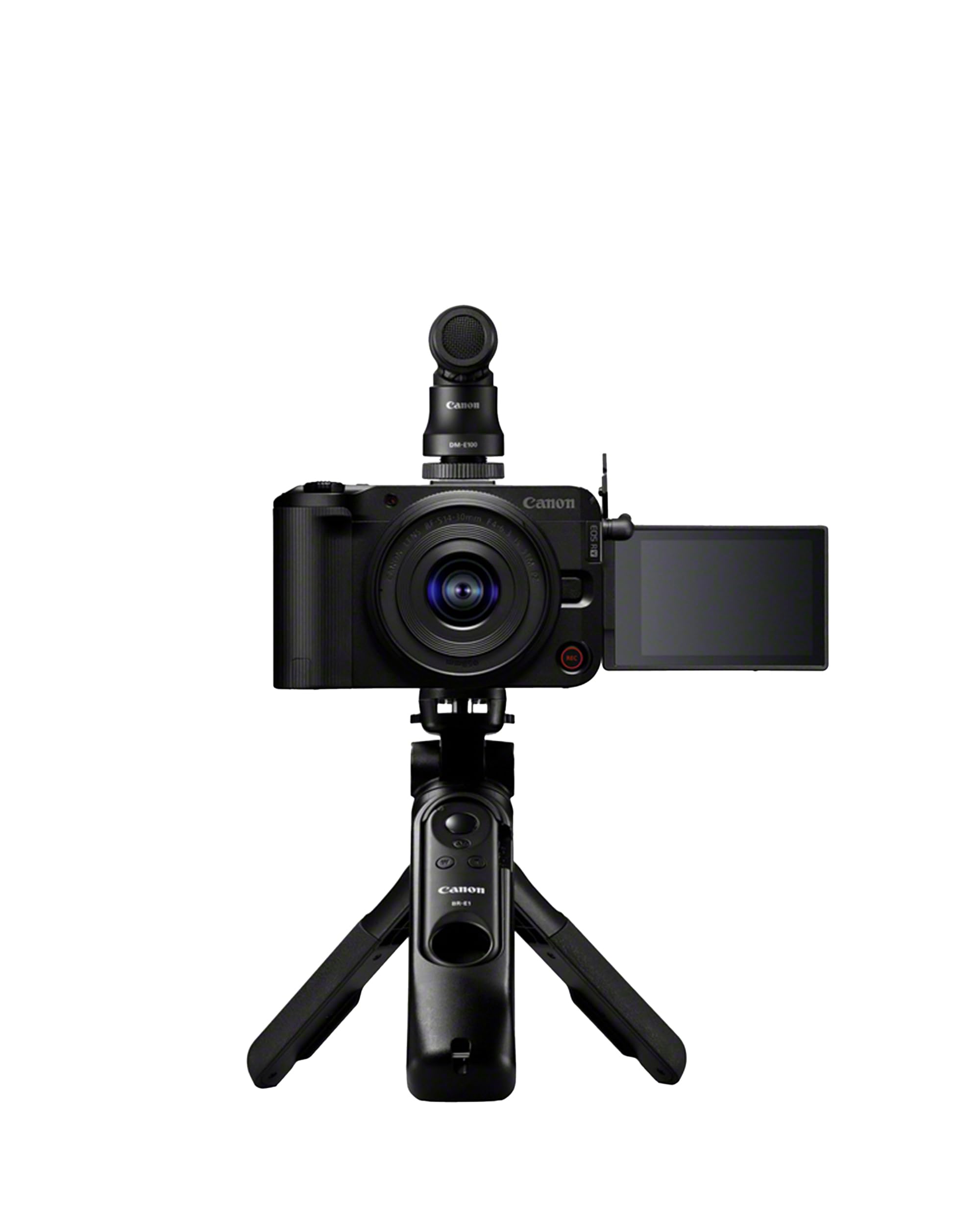
Canon EOS R10 vs Fujifilm X-S10: Which Should You Buy
Choose the Canon R10 for faster AF, higher burst rates and better 4K60 — pick the X‑S10 only if you want IBIS and cleaner low‑light files.
Shortlistd Editorial
Editor

Canon EOS R10 vs Fujifilm X-S10: Which Should You Buy in March 2026?
By Editorial Team | March 2026
Winner: Canon EOS R10 — its class-leading subject autofocus and blistering 23 fps electronic burst make it the better choice for action, hybrid shooters and anyone who needs reliable focus on moving subjects.
Quick verdict
The Canon EOS R10 wins because its Dual Pixel CMOS AF II and 23 fps electronic burst let you capture decisive moments more reliably than the X‑S10. The Fujifilm X‑S10 is the clear pick only if you need in‑body image stabilization and slightly better low‑light headroom for handheld stills and video.
At a glance
| Canon EOS R10 | Fujifilm X‑S10 | |
|---|---|---|
| Price | £769.00 | £799.00 |
| Sensor | 24.2 MP (APS‑C) | 26.1 MP X‑Trans CMOS 4 |
| In‑body stabilisation | No (lens IS / digital only) | 6‑stop IBIS |
| Autofocus | Dual Pixel CMOS AF II (~651 AF zones; people/animal/vehicle detection to EV‑4) | Phase‑detect AF with subject detection (good, not class‑leading) |
| Continuous shooting | 15 fps mechanical / 23 fps electronic (RAW pre‑shot) | Up to 8 fps mechanical / 20 fps electronic (uncropped) |
| Best for | Sports, kids, wildlife and hybrid creators who need fast AF and high burst rates | Handheld low‑light shooters and run‑and‑gun vloggers who need IBIS |
Where the Canon EOS R10 wins
-
Autofocus reliability: Canon’s Dual Pixel CMOS AF II with roughly 651 AF zones and dedicated people/animal/vehicle detection holds focus on subjects at odd angles and in chaotic scenes far better than Fujifilm’s AF in this class. That matters when subjects move unpredictably.
-
Burst speed and keeper rate: The R10’s 23 fps electronic burst (plus RAW pre‑shot) and 15 fps mechanical mean you get far more usable frames for fast action — decisive for sports, kids and wildlife where timing is everything.
-
Video flexibility: Native 4K up to 60p (with mode crop in some settings) gives you smoother, higher‑frame clips for social and B‑roll without needing complex workflows; Fujifilm’s X‑S10 tops out at 4K30 for most high‑quality modes.
-
Value for hybrid shooters: At £769 the R10 undercuts or matches many rivals while delivering best‑in‑class AF and burst performance — a better deal if autofocus and frame rate are your priorities.
Where the Fujifilm X‑S10 wins
-
In‑body image stabilisation: The X‑S10’s 6‑stop IBIS is a genuine advantage for handheld stills and gimbal‑free video; you’ll rescue more usable low‑light shots and steadier run‑and‑gun footage with slower lenses.
-
Slightly higher sensor resolution and film simulations: The 26.1MP X‑Trans sensor gives a touch more detail and Fujifilm’s film simulations produce pleasing colour straight from camera, which some shooters prefer for portraits and editorial work.
-
Ergonomics and EVF: The X‑S10’s controls and handling tilt toward stills shooters who want a comfortable grip and a traditional control layout; its EVF and rear vari‑angle screen make framing and handheld shooting easier for some workflows.
Who should buy the Canon EOS R10
You shoot fast subjects — youth sports, family chaos, pets or wildlife — and want confidence that autofocus and burst speed will catch the decisive moment without upgrading lenses or buying a heavier full‑frame body. You also want usable 4K60 for social clips without an excessive budget.
Who should buy the Fujifilm X‑S10
You prioritise handheld low‑light photos and smoother handheld video without a gimbal; you care about having IBIS and slightly better single‑frame image quality and you like Fujifilm’s colour profiles. You’re willing to trade a bit of AF performance for steadier results.
The verdict
If your purchase hinges on catching motion and keeping subjects sharply in focus, buy the Canon EOS R10 — its autofocus system and 23 fps electronic burst are the deciding factors for most hybrid shooters, and it does so at a tighter price (£769 vs ~£799). If your work is predominantly handheld, low‑light stills or gimbal‑free video where IBIS will actually change the result, the Fujifilm X‑S10 is the better tool.
Short version to quote: "Pick the R10 if autofocus and burst rate matter; pick the X‑S10 only if IBIS and low‑light handheld shooting are dealbreakers."
Alternative to consider: the Canon EOS R50 V is worth a look if you want a more video‑focused, pocketable Canon with streaming features and a bundled power‑zoom option.
Canon EOS R10 score (our test): 8.1 — strong autofocus and burst speed for the price, minus IBIS and limited low‑light headroom.
If you want to buy: Canon EOS R10 (£769) — buy it for action and hybrid work; Fujifilm X‑S10 (£799) — buy it for IBIS and steadier handheld shooting.
Products in this article