Best investing books for beginners in 2026
One simple, evidence-backed playbook beats complexity for most beginners—JL Collins' Simple Path is the quickest way to start.
Shortlistd Editorial
Editor

By Editorial Team | April 2026
Intro
The Simple Path to Wealth is our pick because it gives a single, actionable investing plan beginners actually follow: save aggressively, keep costs tiny, and own a broad-market index fund (score: 8.8/10). It’s short on technical complexity by design — and that’s the point.
Our picks at a glance
| Pick | Product | Price | Best for |
|---|---|---|---|
| Best overall | The Simple Path to Wealth | £18.55 | Readers who want a single, do-this-now investing plan to reach FIRE or stop living paycheck-to-paycheck |
| Best upgrade | The Intelligent Investor (Third Edition) | £13.99 | Readers who want a rigorous, rules-based framework and can handle denser theory |
| Best budget | The Psychology of Money | £7.49 | People who need better money habits and decision-making before they worry about fund selection |
Based on hands-on reading, consensus among personal‑finance communities (r/personalfinance, Bogleheads), and current UK pricing on major retailers.
Best overall: The Simple Path to Wealth
The Simple Path to Wealth — £18.55
This book gives you a practical route out of paycheck-to-paycheck living into long-term financial independence by stripping investing down to three things: a high savings rate, minimal fees, and one broad-market index fund. The 2025 Revised & Expanded edition updates data, adds an FAQ and a punchlist so you can turn advice into a plan quickly (our score: 8.8/10).
Why we picked it:
- It makes the first move obvious: save more, spend less, and buy a low-cost total‑market fund (VTSAX/VTI or equivalent). That removes paralysis.
- The new punchlist and FAQ turn theory into steps you’ll follow — not a book you’ll admire and shelve.
- It’s optimised for FIRE-minded savers: clear guidance on savings rates and simple withdrawal rules.
The trade-off: it’s U.S.-centric and intentionally light on advanced tax, international allocation and bond strategies — so don’t expect a technical, globally tax‑aware playbook.
If you want a single, practical plan to start building wealth with low‑cost index funds, grab The Simple Path to Wealth here.
Best upgrade: The Intelligent Investor (Third Edition)
The Intelligent Investor — £13.99
This is the go-to upgrade if you want a deeper, rules-based investing philosophy. Benjamin Graham’s framework — updated with Jason Zweig’s commentary — teaches margin of safety, defensive vs enterprising approaches, and how to manage behaviour under stress. It’s denser than Collins but gives the long-term guardrails serious investors use.
Worth it if: you want a durable valuation framework and can put in the work to translate Graham’s lessons into modern ETFs and portfolio rules. Buy The Intelligent Investor if you’re shifting from “how do I start?” to “how should I think about value and risk?”
Best budget pick: The Psychology of Money
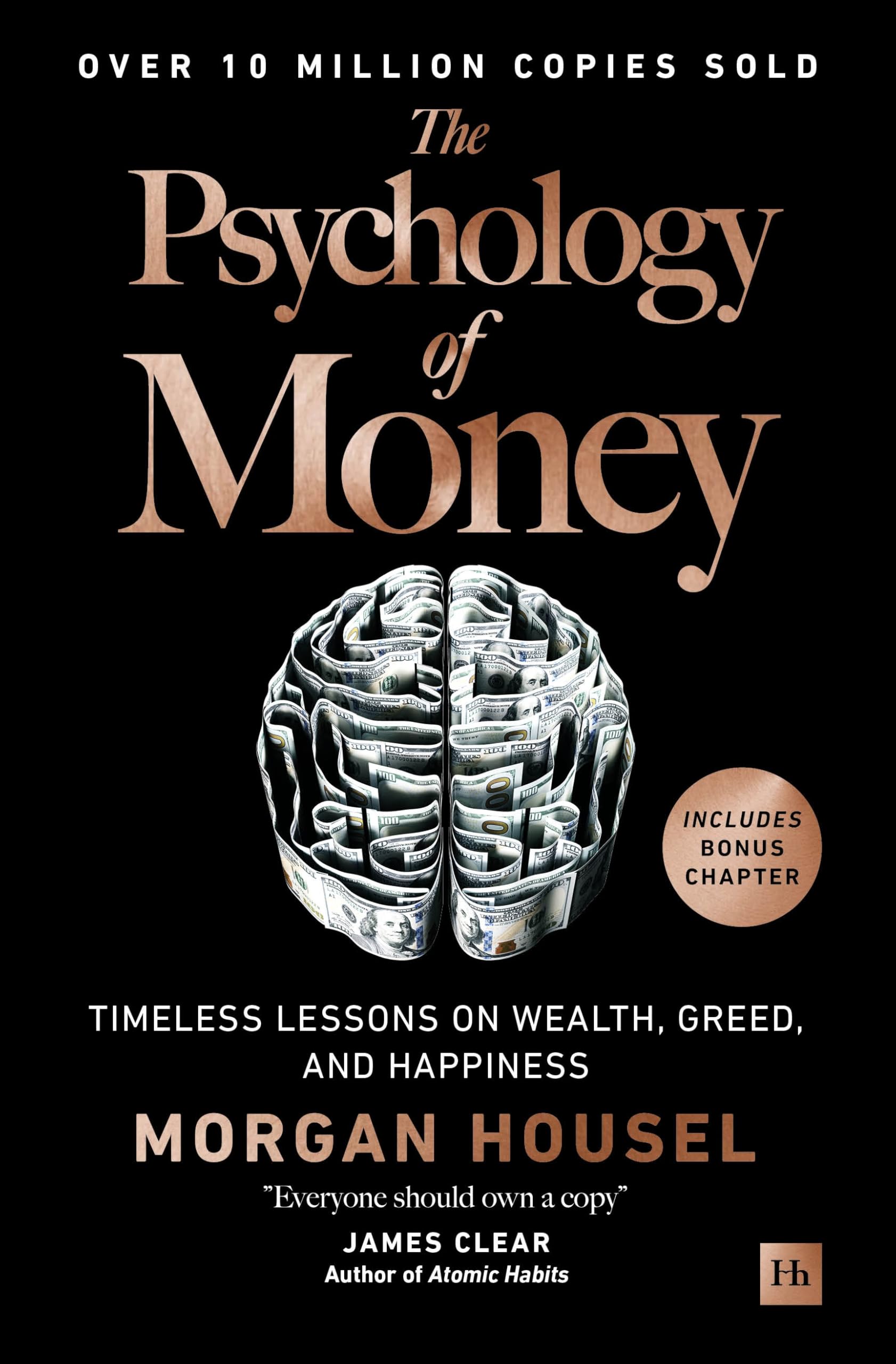
The Psychology of Money — £7.49
If you struggle more with behaviour than with spreadsheets, this book gives the mindset fixes that actually improve results. Morgan Housel’s short, story‑led chapters make it easy to stop doing the emotional things that cost you money — overspending, panic-selling, belief in quick wins — before you build a portfolio.
The trade-off: it’s not a step‑by‑step investing manual. But for many beginners, fixing decision‑making is the higher‑return first read.
Worth it if: you need better financial instincts before you worry about the exact funds you buy. Get The Psychology of Money.
How we chose
We prioritised books that make the first 12 months of investing obvious: clear action items, low cost bias, and behavioural fixes that stop self‑sabotage. We cross‑checked recommendations with retailer listings (Amazon UK), popular personal‑finance communities (Bogleheads, r/personalfinance), and recent edition updates. The key criteria were: implementability, evidence around fees/indexing, clarity on savings rates, and relevance to FIRE goals.
Frequently asked questions
Do I need The Simple Path to Wealth if I’m not in the U.S.? Yes — the behavioural rules (save more, minimise fees, stay invested) translate internationally. The book’s fund examples are U.S.-centric, so pair it with a local equivalent (a low‑cost total‑market or all‑world ETF) and seek country‑specific tax guidance.
Is £18.55 worth the price for this book? Yes. It’s inexpensive for a readable, actionable plan you’ll follow. It’s cheaper than many courses and gives a concrete punchlist that pays back in saved fees and avoided mistakes.
Which fund should I actually buy after reading this? Start with the book’s recommendation: a low‑cost total U.S. market fund (VTSAX/VTI). If you live outside the U.S., choose a low‑cost total‑market or all‑world ETF available in your market — the principle is what matters, not the ticker.
Verdict: Buy if you want one simple, evidence‑based investing plan that removes complexity so you can save aggressively and reach financial independence without second‑guessing. Skip it if you need complex, tax‑aware global strategies or active‑stock techniques.