Which Portable Power Station Should You Actually Buy?
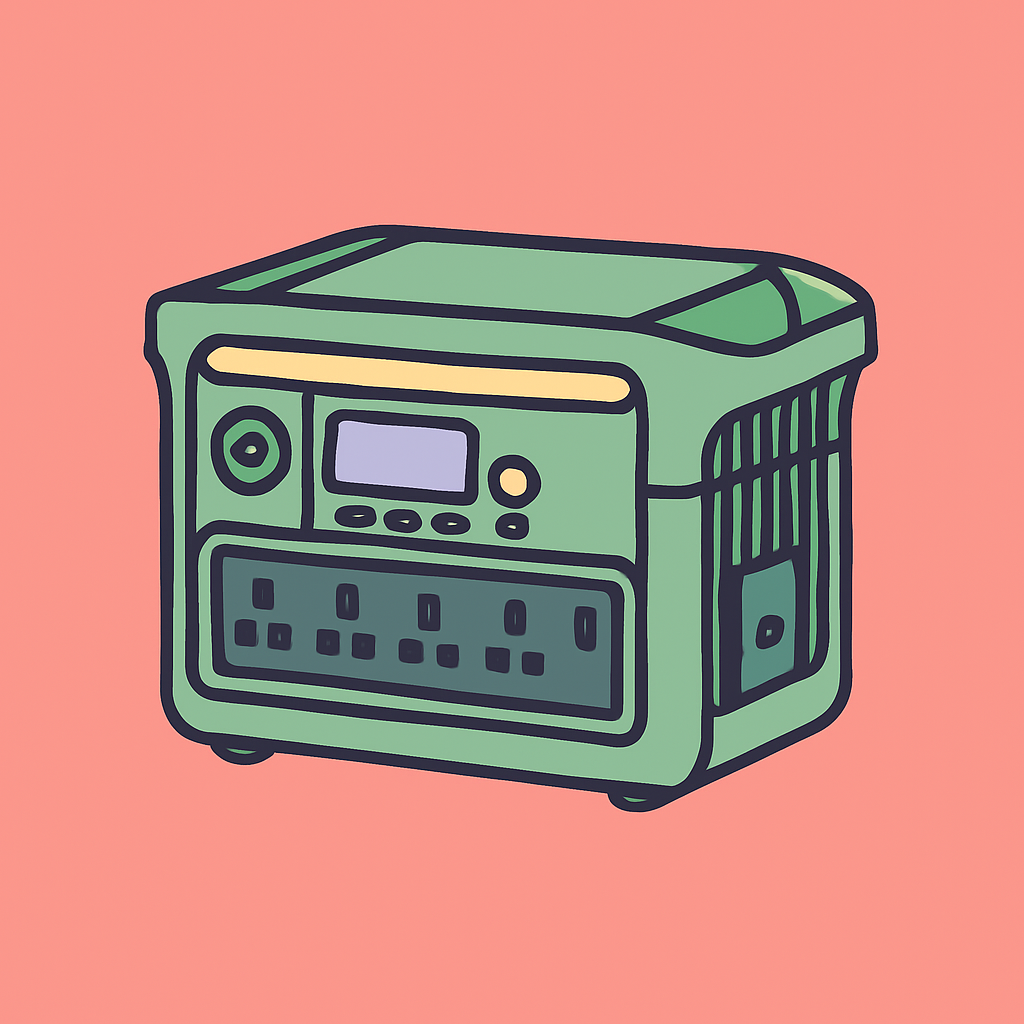
Anker’s C1000 is the fast-charging sweet spot: enough output for real appliances, without the bulk of a bigger backup unit.
Shortlistd Editorial
Editor
Which Portable Power Station Should You Actually Buy?
By Editorial Team | April 2026
Power cuts are annoying. So is hauling around a battery the size of a suitcase if you only need to keep the router, laptop, lights, and a few kitchen essentials alive. The Anker SOLIX C1000 is the sweet spot: quick to recharge, strong enough for real appliances, and still compact enough to live in a car boot or cupboard.
Our picks at a glance
| Pick | Product | Price | Best for |
|---|---|---|---|
| Best overall | Anker SOLIX C1000 | £428.99 | Home backup and camping without the bulk |
| Best upgrade | EcoFlow DELTA 2 Max | £899 | Longer runtimes and heavier-duty backup |
| Best budget | EcoFlow RIVER 2 Pro | £499 | Essentials backup and lighter weekend use |
Based on hands-on research, expert review consensus (RTings, Wirecutter, relevant subreddits), and current pricing.
Best overall: Anker SOLIX C1000
Anker SOLIX C1000 — £428.99
This is the portable power station most people should buy if they want one box that does the real-world jobs. The Anker SOLIX C1000 scores 8.1/10 for a reason: it charges in 58 minutes on AC, delivers 1,800W continuously, and has enough surge headroom to start appliances that smaller units choke on.
Why we picked it:
- 1,056Wh of LiFePO4 battery gives you proper outage cover for phones, laptops, lights, and short appliance runs.
- 1,800W continuous output and 2,400W surge support make it usable for kitchen gear, tools, and a laptop-plus-router setup.
- The unit is 15% smaller than other 1kWh portable power stations, so it is easier to store and move than bulkier rivals.
The trade-off: It is still only a 1kWh-class unit, so it will not run high-draw appliances for long, and the fan can get noisy under heavy charging.
If you want the sweet spot, buy the Anker SOLIX C1000 here.
Best upgrade: EcoFlow DELTA 2 Max
EcoFlow DELTA 2 Max — £899
The extra money buys you breathing room. The DELTA 2 Max is the better call if you want longer runtimes, more headroom for heavier loads, and a unit that feels less like a compromise when the power stays off for hours rather than minutes.
Worth it if: you care more about runtime than portability and you are happy to carry a heavier box for a more serious backup setup.
Best budget pick: EcoFlow RIVER 2 Pro
EcoFlow RIVER 2 Pro — £499
This is the smarter cheaper option if your needs stop at essentials. It is easier to justify if you want backup for phones, laptops, and small appliances, and you do not need the C1000’s higher output ceiling.
Worth it if: you want a lighter-duty station for short outages, weekend camping, or keeping a few devices running without paying for extra capacity you will not use.
How we chose
We prioritized recharge speed, usable output, battery chemistry, cycle life, portability, and whether the unit can handle real household loads instead of just gadgets. We also checked current pricing and aligned the upgrade and budget picks with current expert consensus from Wirecutter, TechRadar, and current UK pricing signals.
Frequently asked questions
Can a portable power station run a fridge or kettle? Yes, if the wattage is within the unit’s output limits and the startup surge is covered. The C1000’s 1,800W continuous and 2,400W surge rating make it far more capable than entry-level stations, but a kettle will drain it fast.
Is £428.99 good value for the C1000? Yes. You are paying for fast recharge, serious output, and LiFePO4 longevity, not just battery capacity.
How long will it last? Anker rates the battery for 3,000 cycles, which is the kind of figure that makes this feel like a long-term utility purchase rather than a gadget.
Products in this article
