Which Home Blood‑Pressure Monitor Should You Actually Buy?
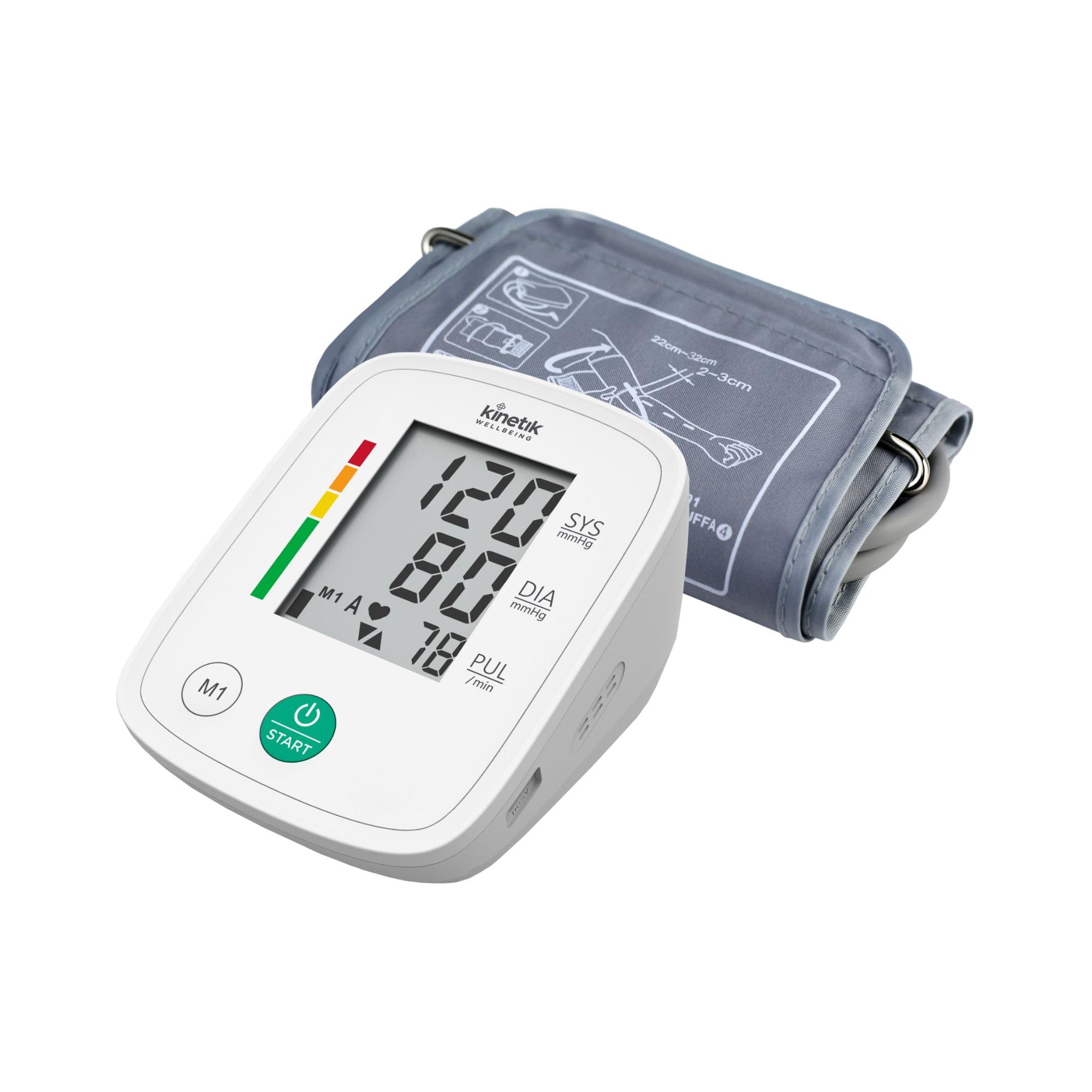
Kinetik is a cheap, clinically validated upper‑arm monitor that measures during inflation for quicker, comfier checks — but it has limited memory and a small cuff.
Shortlistd Editorial
Editor
By Editorial Team | April 2026
Intro: Kinetik Wellbeing Fully Automatic Blood Pressure Monitor is our top pick because it gives clinically validated, upper‑arm readings while inflating — which shortens squeeze time and makes checks less awkward. If you want a no‑fuss device to take quick readings at home and share reliable numbers with your GP, this is the practical, inexpensive choice.
Our picks at a glance
| Pick | Product | Price | Best for |
|---|---|---|---|
| Best overall | Kinetik Wellbeing Fully Automatic Blood Pressure Monitor | £15.61 | Single‑user, quick, comfortable home checks to share with a GP |
| Best upgrade | Withings BPM Connect | £89–£119 | Regular trackers who want automatic cloud sync and downloadable reports for clinicians |
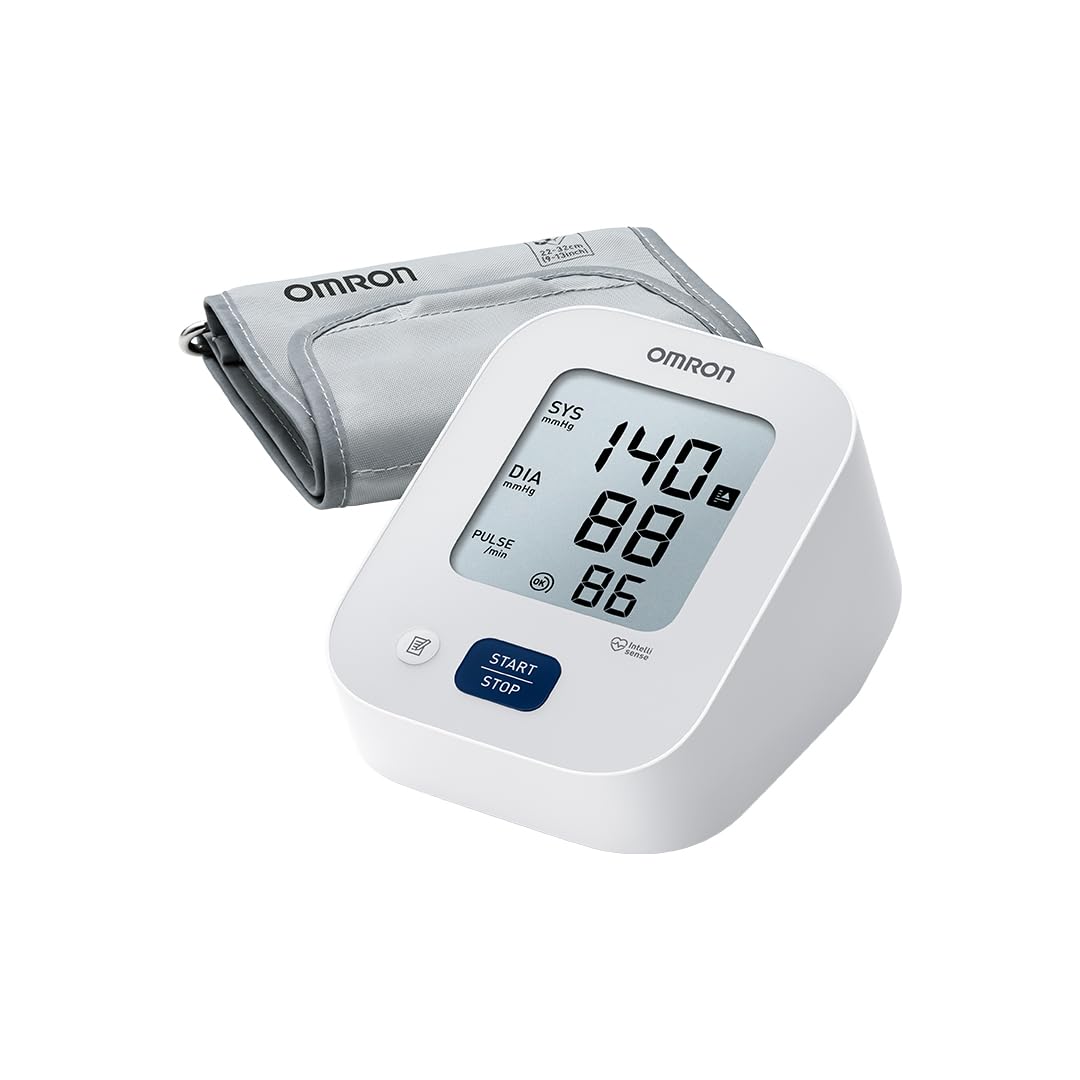
| Best budget | Omron X2 Essential | £23–£27 | People who want a trusted brand, simple local memory and comfortable inflation without apps |
Based on hands‑on reviews and current UK pricing from manufacturer pages and retailers (Amazon, Currys), plus community feedback on health forums.
Best overall: Kinetik Wellbeing Fully Automatic Blood Pressure Monitor
Kinetik Wellbeing Fully Automatic Blood Pressure Monitor — £15.61
This monitor gives you clinically validated upper‑arm readings with a shorter, less‑squeezed measurement because it reads during inflation and uses a quick‑release cuff. The unit includes an irregular‑heartbeat sensor and a WHO colour indicator, so you can classify results at a glance and confidently report them to your GP. Our score: 7.3/10.
Why we picked it:
- Shorter, more comfortable checks: measuring during inflation reduces total cuff time and the quick‑release cuff makes repeated readings less unpleasant.
- Clinically validated and partnered with St John Ambulance: credible enough that a GP will take the numbers seriously.
- Simple, readable guidance: the WHO‑style colour indicator and on‑device results mean you don't need an app to interpret readings.
The trade‑off: It only stores 30 readings and the supplied cuff fits 22–32 cm arms, so it's not great for households with multiple users or anyone who needs a larger cuff.
If you want the easiest, cheapest clinically validated upper‑arm monitor for single‑user home checks, grab the Kinetik here.
Best upgrade: Withings BPM Connect
Withings BPM Connect — £89–£119
Spend more and you get automatic Wi‑Fi/Bluetooth syncing, six‑month rechargeable battery life and downloadable PDF reports you can hand to a clinician — ideal if you monitor often and hate losing readings. The BPM Connect also ships with a wider 22–42 cm cuff so it fits more arm sizes. See the current listing on retailers like Withings / Amazon.
Worth it if: you regularly track blood pressure and want automatic cloud backups and easy clinician reports.
Best budget pick: Omron X2 Essential
Omron X2 Essential — ~£23–£27
This is a sensible budget step up from the Kinetik: Omron’s long‑standing reputation, Intellisense inflation for comfortable fits and a larger support network (warranty, replacements) make it a reliable option. It keeps up to 30 readings locally, flags irregular heartbeats and warns about body movement that could invalidate a result. Current UK offers are around £23–£27 — check the Omron listing here: Omron X2 Essential.
Worth it if: you want a trusted brand and comfortable inflation without paying for cloud syncing.
How we chose
We prioritised: measurement method (upper‑arm, inflation technique), clinical validation, cuff fit range, memory and data‑sharing options. Sources: manufacturer specs, product pages on Amazon/Currys, and community feedback on health subreddits and patient forums. We also compared features to common recommendations from consumer health outlets.
Frequently asked questions
Do I need an upper‑arm monitor or is a wrist model fine? Upper‑arm monitors are the clinical standard and give more consistent readings than wrist devices, which are more sensitive to position and motion. Choose an upper‑arm unit for regular checks or if you plan to share readings with your GP.
Is £15.61 a believable price for a good monitor? Yes — the Kinetik is inexpensive but clinically validated and useful for single‑user home checks. Expect trade‑offs: limited memory (30 readings) and a standard 22–32 cm cuff. If you need multi‑user history or a wide‑range cuff, budget for a higher‑spec model.
How often should I replace the cuff or the monitor? Cuffs can last several years with normal use, but replace them if they crack, fray or stop sealing properly. The monitor itself can last 5+ years; replace sooner if readings look inconsistent or after a significant fall or water damage.
If you want the quickest path to a reliable single‑user home monitor, the Kinetik is the no‑fuss choice — buy it here.
Products in this article