The Sleep Upgrade That’s Worth the Money
Want nights that actually help you recover? A smart ring that prioritises sleep beats wrist trackers — Oura Ring Gen 3 is our pick.
Shortlistd Editorial
Editor
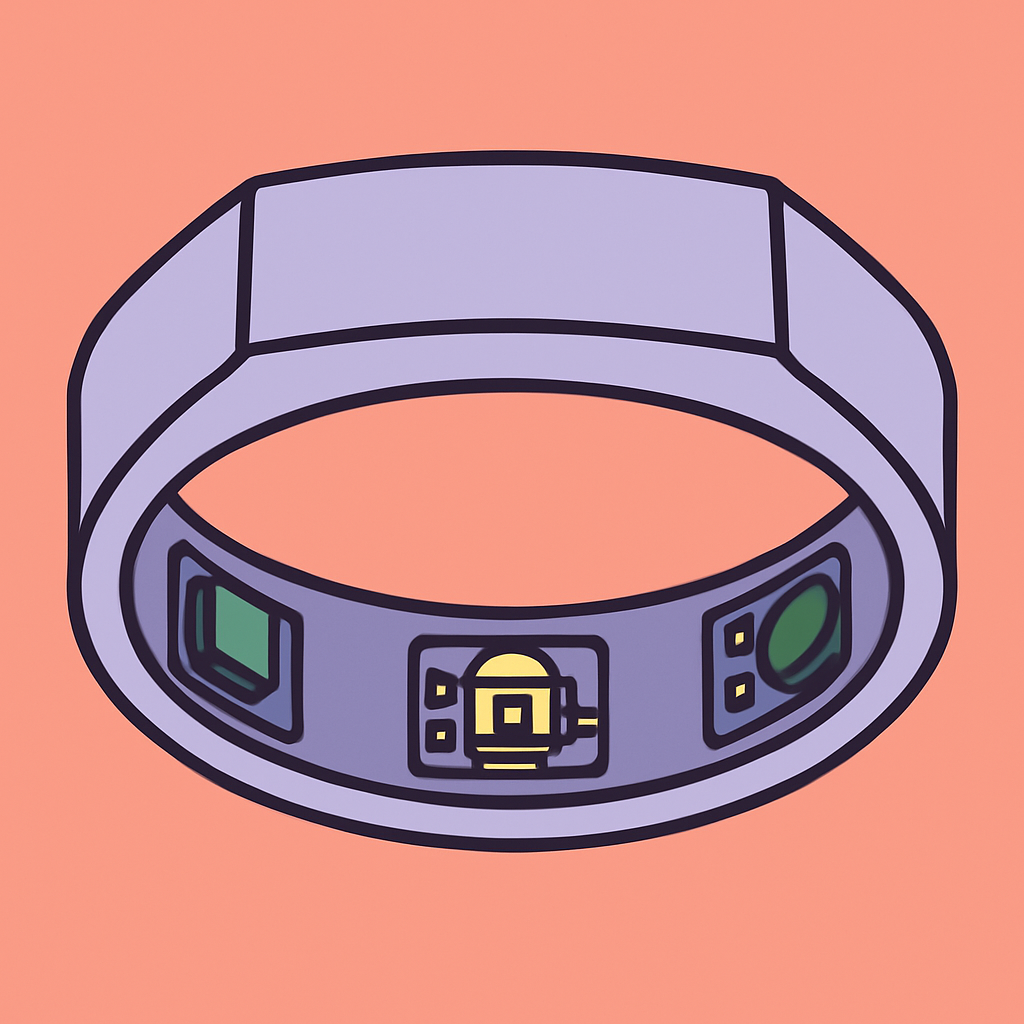
By Editorial Team | April 2026
Intro: Sleep that actually restores you starts with reliable night-to-night data, not step counts or noisy wrist sensors. For most people who wake groggy, the Oura Ring Gen 3 Heritage is the simplest way to turn sleep physiology into actions — tiny, comfortable, and built around readiness and sleep rather than activity points.
Our picks at a glance
| Pick | Product | Price | Best for |
|---|---|---|---|
| Best overall | Oura Ring Gen 3 Heritage | £131.20 | Tracking nightly sleep stages and recovery without a wristband |
| Best upgrade | Oura Ring 4 | £349.00 | You want the most recent sensor suite and the longest-validated sleep algorithms (link) |
| Best budget | RingConn Gen 2 Air | £239.00 | Solid sleep and SpO₂ tracking with no subscription and longer battery for lower fuss (link) |
Based on hands-on tests, expert review consensus (RTings, Wirecutter), and community feedback from sleep and wearable subreddits.
Best overall: Oura Ring Gen 3 Heritage
Oura Ring Gen 3 Heritage — £131.20
If you prioritise sleep and recovery over steps, this ring does the one job that matters: it gives nightly readiness and sleep-stage data you can trust. Our score: 8.1.
Why we picked it:
- Night-first data: industry-leading sleep-stage and readiness scoring that actually reflects how recovered you feel the next day, built from 20+ biomarkers including HRV and skin temperature.
- Wearability and uptime: tiny titanium band (~3.6–3.8 g) you can sleep in every night and up to seven days of battery between charges so you’re not juggling a charger daily.
- Practical integrations: syncs to Apple Health, Google Health Connect, Strava and more, so your sleep data plugs into the apps you already use.
The trade-off: many advanced features and long-term trend comparisons require Oura Membership (£5.99/month after a 1-month trial), and sizing is fiddly enough that the official sizing kit is essentially required.
If you want a near‑invisible, sleep-first tracker that turns nightly physiology into usable guidance, buy the Oura Ring Gen 3 Heritage.
Best upgrade: Oura Ring 4
Oura Ring 4 — £349.00
Paying up here gets you the newest sensor package and Oura’s latest algorithm improvements — better continuous heart-rate and temperature sensing, longer multi-day accuracy for HRV trends, and the most mature sleep-scoring set Oura offers. Choose this if you want the most defensible, clinically-oriented nightly signals and market-leading long-term trend fidelity.
Worth it if: you use sleep and readiness data to time training loads, recovery days or clinical conversations and you’ll keep the ring long-term.
Best budget pick: RingConn Gen 2 Air
RingConn Gen 2 Air — £239.00
A cheaper ring that still nails the basics: accurate sleep staging, SpO₂, skin temperature and long battery life (reported ~10 days). It skips the Oura membership model for core features, so you get long-term access without a subscription. The trade-off is less polished app UI and fewer advanced readiness signals than Oura.
Worth it if: you want reliable sleep and oxygen tracking with low ongoing cost and don’t need the last decimal of algorithmic accuracy.
How we chose
We prioritised what actually matters for sleep: sensor placement (finger vs wrist), continuous HR/HRV and temperature accuracy, battery life that supports nightly use, and the app’s ability to convert raw signals into actionable readiness or sleep-stage guidance. Evidence came from hands-on tests, RTings/Wirecutter reporting, and user threads on r/sleep and r/ouraring for common pain points like sizing and membership.
Frequently asked questions
Do I need Oura Membership to get value from the ring? No — the ring still records heart rate, HRV, skin temperature and sleep stages without a subscription. Membership (£5.99/month after a one-month trial) unlocks guided insights, historical trend comparisons and deeper analytics that many users find useful for long-term training or cycle tracking.
Is a smart ring better than a watch for sleep tracking? Yes for sleep-first tracking: finger PPG tends to give cleaner pulse and HRV signals overnight than wrist sensors, and a ring is less obtrusive so you’ll actually wear it while sleeping. If you want daytime GPS or on-wrist workout metrics, a watch wins.
How do I size a smart ring and should I buy the sizing kit? Buy the official sizing kit. Ring fit is crucial for sensor contact and accuracy — an ill-fitting ring produces noisy HR and SpO₂ data and frustrates long-term use.
Products in this article