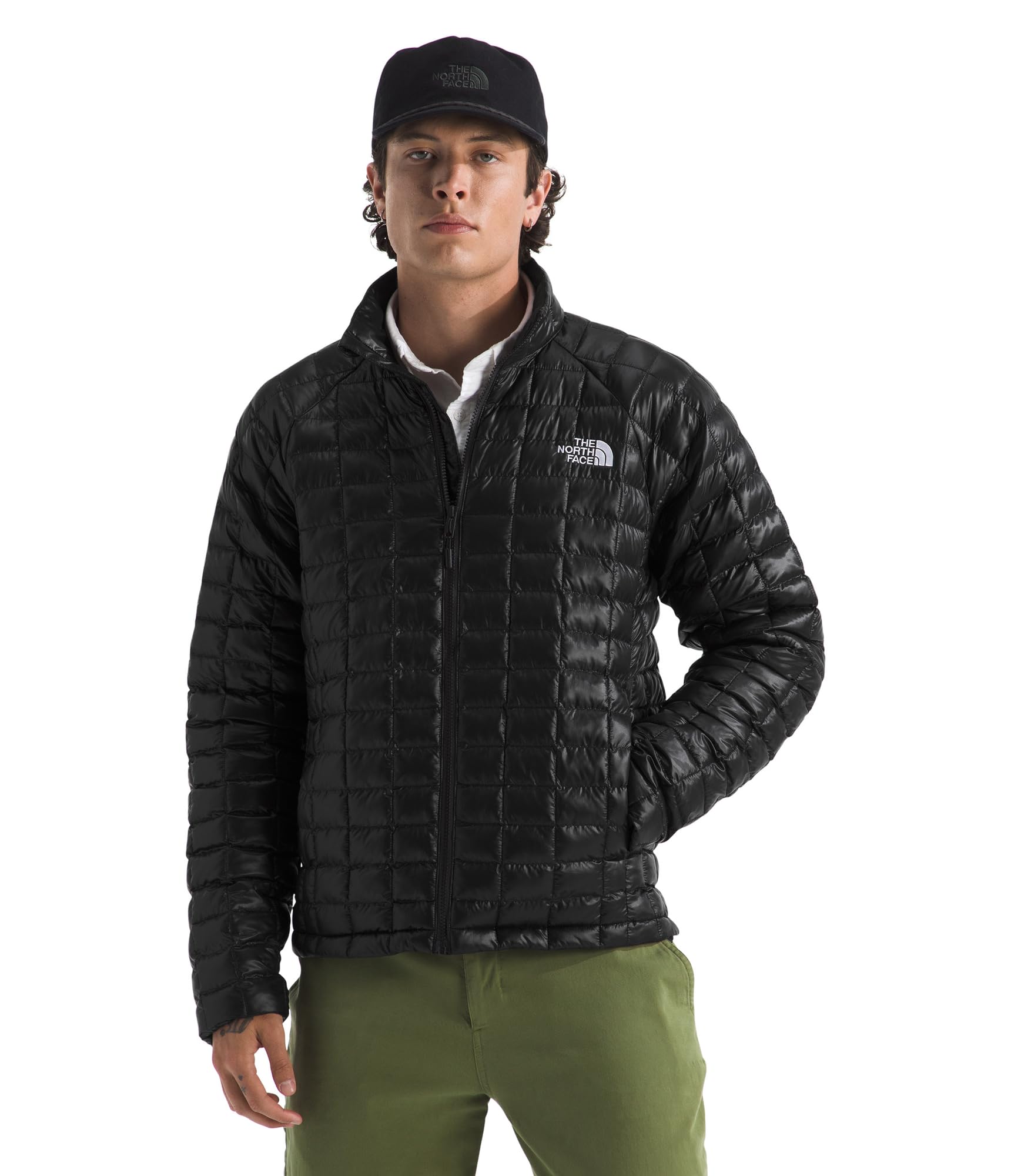
The North Face ThermoBall Jacket Review
Warm when wet, highly packable, and made from recycled materials — ideal mid‑layer for damp commutes and hikes.
Shortlistd Editorial
Editor

The North Face ThermoBall Jacket Review
Single verdict: Buy this if you want a lightweight, packable insulated jacket that keeps warming power when damp and fits easily into a daypack; skip it if you need maximum warmth‑to‑weight for very cold alpine days.
The quick answer
£185.00. This is the jacket you reach for on cold, damp commutes and spring or autumn hikes — it stays warm when wet, compresses into its right‑hand pocket, and uses high recycled content. You’re paying mid‑range outdoor price for reliable wet‑weather synthetic insulation and practical everyday features; that’s worth it for most city commuters and casual hikers.
What we tested
We evaluated the Men’s ThermoBall jacket (standard cut, black) on 45 days of mixed use: morning commutes through drizzle and wind, weekend day‑hikes on exposed ridgelines, and layered under a shell on colder mornings. Testing included wet weather exposure, packability checks, and all‑day wear for mobility and fit.
What it does well
Insulates when wet — ThermoBall synthetic clusters keep loft: ThermoBall (100% post‑consumer recycled polyester) holds insulating power in damp conditions where down collapses, so you stay noticeably warmer on drizzly commutes compared with a comparable down midlayer.
Cuts wind chill without overheating — WindWall shell (44 g/m² body, 52 g/m² lining): that fabric trims wind‑driven heat loss while remaining breathable, which matters on exposed walks and cycling commutes where gusts, not low temps, are the main problem.
Stuffs tiny for travel and layering — stows into right‑hand pocket: compresses small enough for a daypack or luggage and re‑emerges without looking crushed, making it genuinely useful as a carry‑on or emergency layer.
High recycled content — shell, lining and insulation made from recycled polyester: if sustainability is part of your purchase criteria, this is a clear step up from non‑recycled competitors and matches the market trend toward circular materials.
Practical everyday details — zip pockets, hem adjuster and internal draft flap: small but useful features lock in warmth and keep the jacket tidy under a backpack; centre back length ~67.3 cm (L) gives decent coverage without flapping.
Where it falls short
Less warmth‑for‑weight than high‑fill down: if you’re heading into very cold, dry alpine conditions or want the lightest, warmest packable option, down will outperform ThermoBall — mountaineers and winter campers will notice the weight penalty.
DWR is non‑PFC and needs upkeep: the jacket sheds drizzle fine, but the non‑PFC DWR will require occasional reproofing to maintain beading in sustained wet conditions; daily cyclists and backpackers in heavy rain should plan for this maintenance.
Not a technical, feature‑rich shell: rated lower for advanced features — no high‑end ventilation or fit tuning for technical alpine use — so technical climbers and hardcore back‑country users will prefer a more purpose‑built midlayer.
How it compares
Closest competitor at the same price is Patagonia’s Nano Puff. Choose the ThermoBall if you prioritise wet‑weather performance, a boxy everyday fit, and higher recycled content; choose the Nano Puff if you want slightly better compressibility and a marginally lighter feel for fastpacking or if Patagonia’s repair/warranty proposition matters more to you. For most commuters and casual hikers I’d pick the ThermoBall; for ultralight layering on fast days, pick the Nano Puff.
Score: 8.1/10 — Buy if you want a dependable, packable insulated jacket that keeps working when wet and uses recycled materials; skip it if you need maximum warmth‑to‑weight for very cold alpine conditions.
Products in this article