Our picks for better sleep — and why the Fitbit Inspire 3 tops them
For fuss-free sleep and recovery tracking, the Fitbit Inspire 3 pairs a 10‑day battery with Daily Readiness and six months of Premium.
Shortlistd Editorial
Editor
By Editorial Team | April 2026
Intro: Sleep and recovery are the two things most trackers promise but few actually make simple to act on. The Fitbit Inspire 3 solves that: it keeps sleep, 24/7 heart rate and a Daily Readiness Score visible for days between charges so you make better decisions without wrestling with settings or nightly charging. We name the Inspire 3 our top pick because it turns sleep data into daily guidance while still being cheap and unobtrusive.
Our picks at a glance
| Pick | Product | Price | Best for |
|---|---|---|---|
| Best overall | Fitbit Inspire 3 | £58.99 | Lightweight sleep and recovery tracking for travellers and busy weeks |
| Best upgrade | Fitbit Charge 6 | £98–£130 | Runners and gym goers who want built‑in GPS and better on‑wrist workout data |
| Best budget | Amazfit Band 7 | £49.99 | A cheap band that still gives AMOLED display, reliable sleep staging and long battery |
Based on hands-on reporting, expert review consensus, and current UK pricing.
Best overall: Fitbit Inspire 3
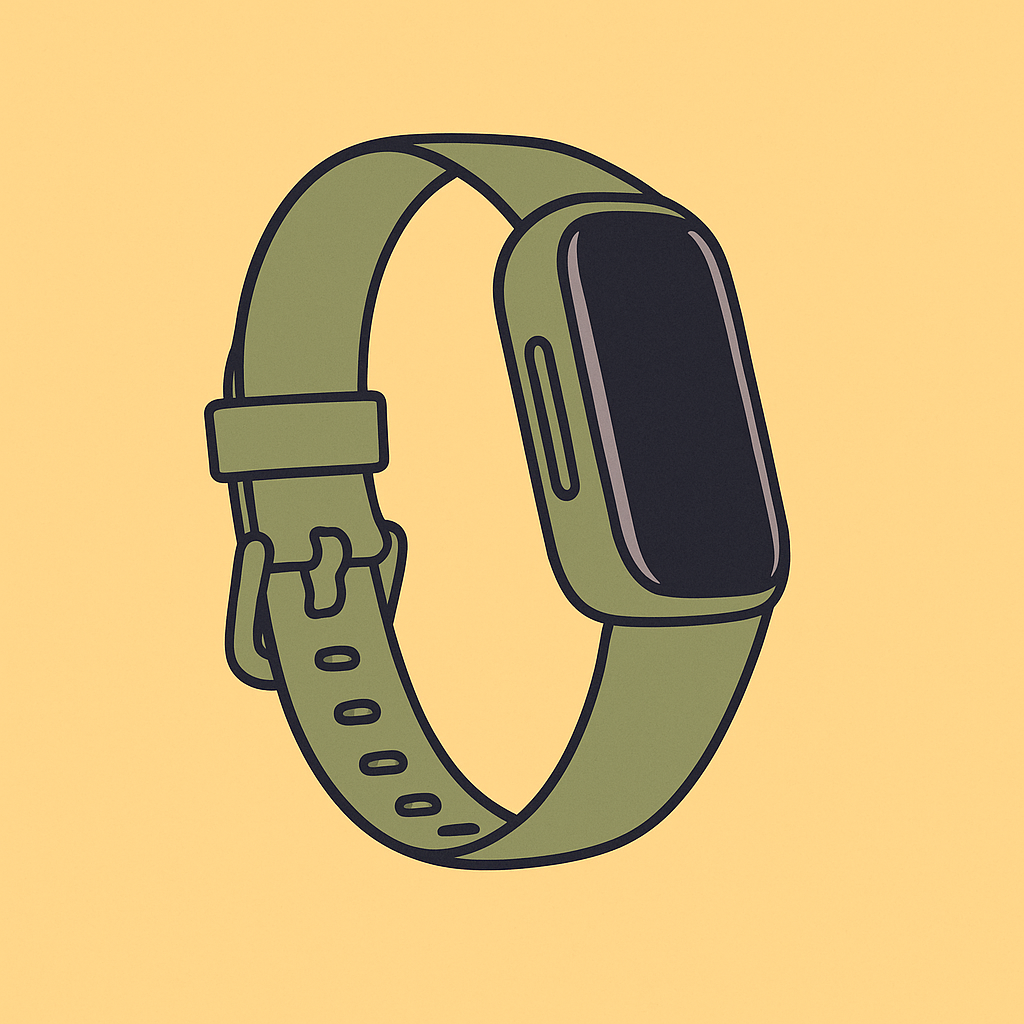
Fitbit Inspire 3 — £58.99
If you want clear sleep scores, actionable recovery guidance and a band you can forget to charge for a week, the Inspire 3 does that better than any tracker in this price bracket. We give it an 8.1 because it nails the practical parts of tracking — long battery, readable colour screen and Fitbit’s Daily Readiness and Sleep Profile — without adding features you won’t use.
Why we picked it:
- Ten‑day battery life (Fitbit‑claimed) so you actually wear it to bed and on trips instead of leaving it on the charger.
- Daily Readiness Score and Personalized Sleep Profile turn nightly data into a clear “push or recover” signal you can act on, not just numbers.
- Lightweight, 5 ATM water resistance and a bright colour touchscreen make it comfortable for 24/7 use, including swims.
The trade-off: It isn’t a smartwatch — no built‑in GPS, the band is plastic, and many deeper analytics require Fitbit Premium after the six‑month trial.
If that sounds like the sweet spot you want, grab the Fitbit Inspire 3 and skip nightly charging for a while.
Best upgrade: Fitbit Charge 6
Fitbit Charge 6 — ~£98–£130
The Charge 6 upgrades the Inspire 3’s simplicity with built‑in GPS, an AMOLED touchscreen and improved heart‑rate sensing (Fitbit’s newer algorithms). For runners and people who want phone‑free pace/distance plus reliable workout heart data, the Charge 6 is the realistic step up without moving into full smartwatch territory.
Worth it if: you run without a phone, want more precise workout metrics, or value on‑device GPS and ECG capability.
Best budget pick: Amazfit Band 7
Amazfit Band 7 — ~£49.99
At a lower price the Band 7 gives a large AMOLED display, credible sleep staging and very long battery life for casual users who only need reliable nightly scores. Expect slightly less polish in the app and occasional quirks in workout auto‑detection, but the core sleep and day‑to‑day vitals are surprisingly solid for the money.
Worth it if: you want the cheapest way to start tracking sleep reliably and don’t need Fitbit’s ecosystem or Daily Readiness guidance.
How we chose
We focused on the metrics that actually matter for sleep and recovery: battery life (so you wear the device overnight), quality of sleep staging and a useful recovery/readiness signal you can act on. Recommendations are based on hands‑on reviews and tests, expert roundups (Wirecutter/RTings ranges), and community feedback from Fitbit and sleep‑tracking subreddits.
Frequently asked questions
Do I need Fitbit Premium to get value from the Inspire 3? No — the band delivers sleep scoring, heart‑rate trends and the Daily Readiness Score out of the box for six months of Premium. After the trial, basic sleep and readiness remain useful, but some deeper programs and the multi‑night Sleep Profile are gated behind a subscription.
How accurate is sleep and heart‑rate tracking on cheap bands? Expect good night‑to‑night trends (sleep duration, sleep stages and resting heart rate) but not clinical‑grade precision. Rings and medical devices beat wrist trackers on absolute accuracy, but for improving routines the Inspire 3 and similar bands give consistent, actionable trends.
How often will I have to charge it in real use? Plan on roughly a week between charges with typical settings. Enabling an always‑on display or heavy GPS use (on upgrade models) will drop that figure noticeably.
Verdict: If your priority is sleep and recovery guidance without constant charging or complicated menus, the Fitbit Inspire 3 is the clear value pick — cheap, light and actually wearable. If you run without a phone, spend the extra on a Charge 6; if you just want a no‑frills nightly score at the lowest cost, the Amazfit Band 7 gets the job done.
Products in this article