How to choose a hydration bladder (without wasting money on the wrong one)
A 2L bladder is the sweet spot for most runners and hikers — if you already have a compatible pack.
Shortlistd Editorial
Editor
How to choose a hydration bladder (without wasting money on the wrong one)
By Editorial Team | April 2026
You do not need a fancy setup to carry water hands-free. You need the right capacity, a bladder that does not taste like plastic, and a hose that is easy to live with once you are tired, muddy, or both.
The mistake most people make is buying for the worst-case scenario instead of the actual use case. A bladder that is too small leaves you refilling too often; one that is too big adds weight and slosh you will notice on a run or steep hike.
The short answer
Yes: a basic 2L bladder is the sensible buy for most everyday runners, hikers, and cyclists who already own a compatible vest or pack. This one gets the job done at £19.99 without forcing you into expensive extras you may never use.
What actually matters when choosing
Capacity is the first decision, and 2L is the middle ground that makes sense for most people. It is enough for a day run, a short ride, or a hike where you want hands-free water without carrying a full 3L reservoir.
Material matters next, because cheap bladders can ruin the experience fast. BPA-free TPU is the standard choice here: light, flexible, and less likely to leave that stale plastic smell people complain about with budget hydration gear.
Cleaning is the other deal-breaker. A wide opening is not a luxury feature; it is what makes filling, rinsing, and drying realistic instead of annoying, which is why people often prefer it over narrow-mouth bladders.
The small details matter once you are actually using it outdoors. A soft bite valve with a protective cap is basic, but basic is good when the alternative is grit on the mouthpiece after a wet trail or dusty commute.
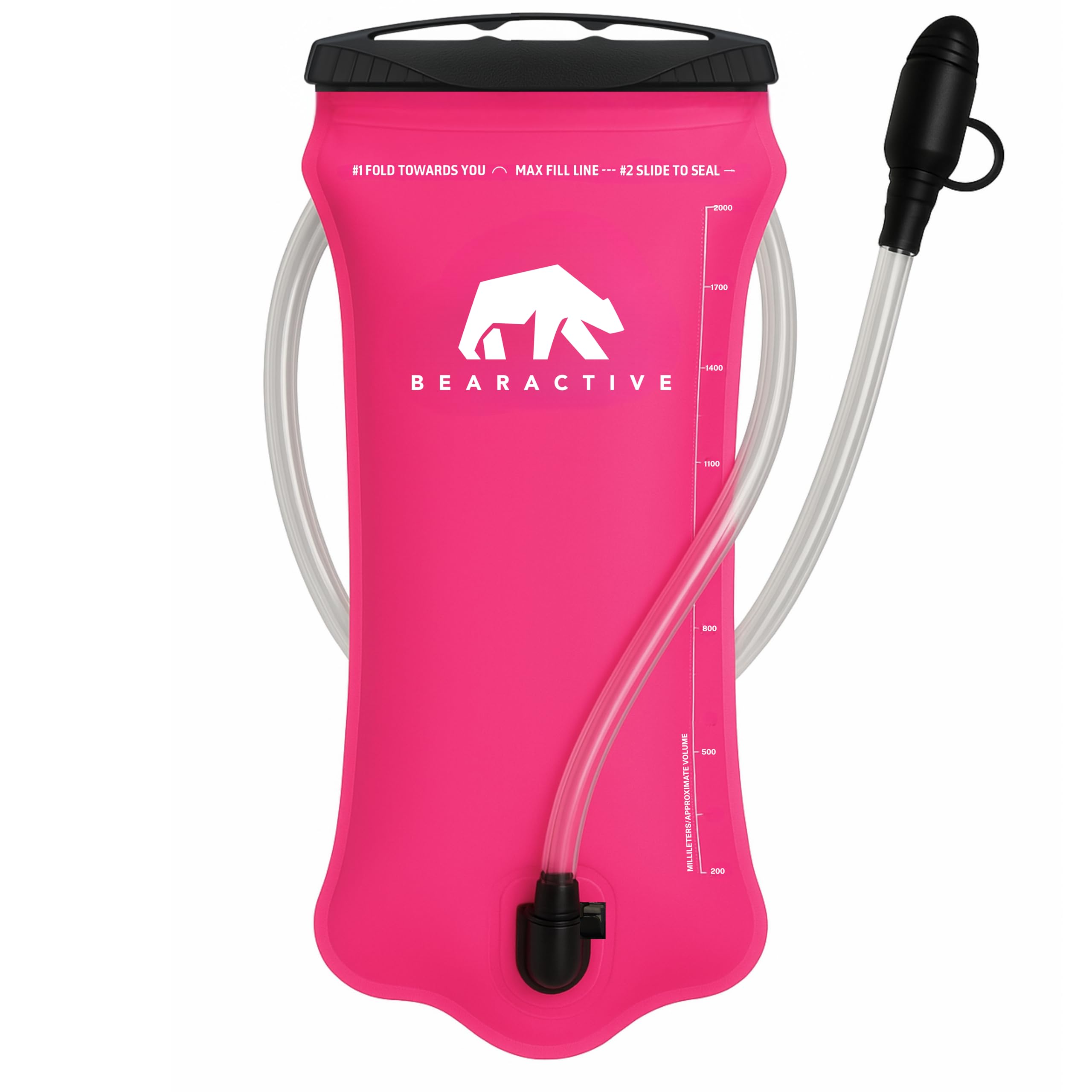
Our pick: Hydration Bladder 2L — £19.99
This is the straightforward choice if you want a no-drama reservoir for running, hiking, or cycling and already have a pack with a hydration sleeve. The 6.7/10 score is fair: it covers the essentials well, but it does not pretend to be a premium system.
Why it works:
- 2L is the practical middle ground for most day use, so you get enough water without hauling unnecessary bulk.
- BPA-free TPU and the claim of odorless, tasteless water make it easier to live with than the cheapest generic bladders.
- The wide opening makes cleaning less of a chore, which matters more than spec-sheet bragging rights.
Worth skipping if: you want quick-disconnect fittings, a magnetic hose clip, or the easiest possible drying routine between uses.
If you just need a simple replacement, buy the Hydration Bladder 2L and move on with your life.
Frequently asked questions
How much water do you actually need in a hydration bladder? For most runs, rides, and short hikes, 2L is enough. Go up to 3L only if you are going long, carrying extra weight is not a problem, or refill points are scarce.
Why do some bladders taste like plastic? Usually it is the material, the manufacturing process, or poor drying between uses. BPA-free TPU with a wide opening helps, but keeping it clean matters just as much.
Products in this article