How to choose a hydration backpack without wasting money on the wrong one
The right hydration vest is about fit and carry, not litres. Go too big and you’ll hate it.
Shortlistd Editorial
Editor

How to choose a hydration backpack without wasting money on the wrong one
By Editorial Team | April 2026
You do not need a hydration vest for every run. You need one when carrying a bottle in your hand, stuffing gels in your shorts, or wearing a floppy backpack has become more annoying than the problem you were trying to solve.
The mistake is buying for capacity first. That usually gets you a pack that bounces, rides hot, and carries more than you actually use.
The short answer
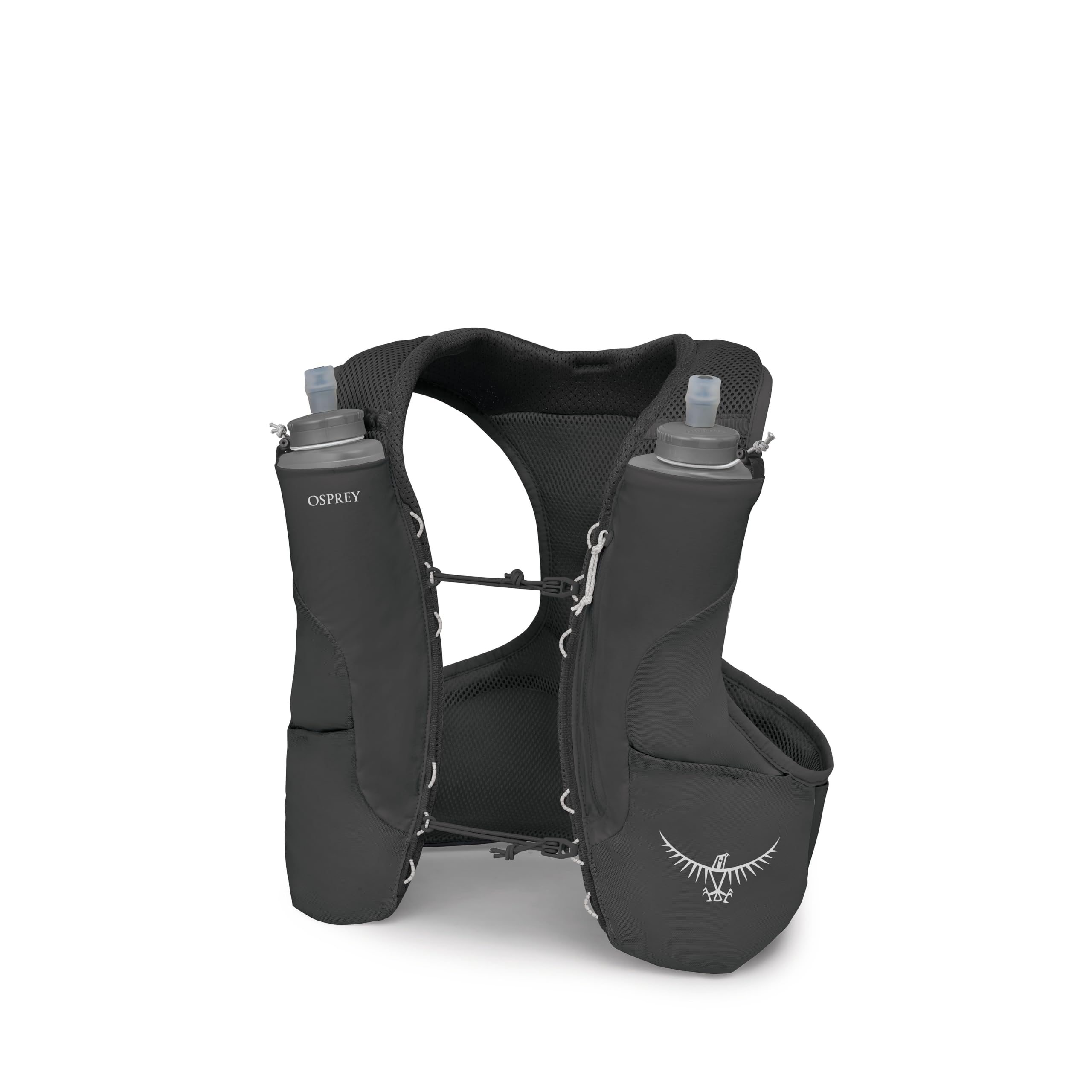
Choose the vest that matches your longest normal outing, not your occasional fantasy epic. For short trail runs and fast hikes, the Osprey Duro LT is a smart, lightweight answer: stable, simple, and built around front-access hydration.
What actually matters when choosing
Fit beats litres. Outdoor Gear Lab and REI both put a lot of weight on how close a vest sits to the body, because bounce ruins the experience fast. The best packs feel almost invisible once loaded; the bad ones remind you they exist with every stride.
Front hydration is the other big decision. Soft flasks are faster to sip from than a bladder, easier to refill, and better for shorter sessions. The trade-off is that they are less convenient for some runners than a hose-fed reservoir, especially if you hate taking the vest off mid-run.
Storage matters, but only in the right places. A good running vest separates gels, phone, keys, and a shell so you are not digging through one sweaty compartment. If you are carrying poles, extra layers, or food for hours, you have moved out of minimalist-vest territory.
That is why some runners upgrade straight to a bigger pack like the Salomon ADV Skin 12 or the Nathan Pinnacle 12L. They are better if your runs turn into mountain missions, but they are overkill if you mainly want water and a few essentials.
Our pick: Osprey Duro LT — £0
This is the sensible minimalist choice if your main complaint is bounce, not storage. It scored 7.2/10 because it gets the essentials right: two 500 ml soft flasks, dual sternum straps, a stretch back panel, and enough pocketing to keep gels, keys, and a phone from turning into a mess.
Why it works:
- The dual sternum straps and stretch back panel keep it locked down on rougher ground.
- The included 2 x 500 ml Hydraulics soft flasks give you fast, front-loaded hydration without a bulky reservoir.
- The pocket layout is better than most minimalist vests, with food pockets, a zip pocket, and a pass-thru lumbar pocket for small layers.
Worth skipping if: you need one pack to cover long hikes, poles, or all-day mountain runs. This is a light-duty vest, and it feels like one.
If that sounds like the problem you actually have, buy the Osprey Duro LT and stop overthinking it.
Also worth considering: Salomon ADV Skin 12
If you run longer, carry more, or want a more proven all-round performance vest, the Salomon ADV Skin 12 is the better call. It costs more, but you are paying for extra capacity and a design that suits bigger days better than the Duro LT.
Frequently asked questions
Do I need a hydration vest for road running? Only if you are running long enough that hand-carrying water gets irritating or you want easy access to gels and a phone. For short road runs, it is usually unnecessary.
Are soft flasks better than a bladder? For shorter runs, yes. Soft flasks are easier to refill and much simpler to use on the move; a bladder makes more sense when you want maximum water capacity and fewer refills.
Products in this article