COROS PACE 3 Review
Featherweight GPS watch with class-leading battery and dual-frequency positioning — best for runners who refuse bulky watches.
Shortlistd Editorial
Editor
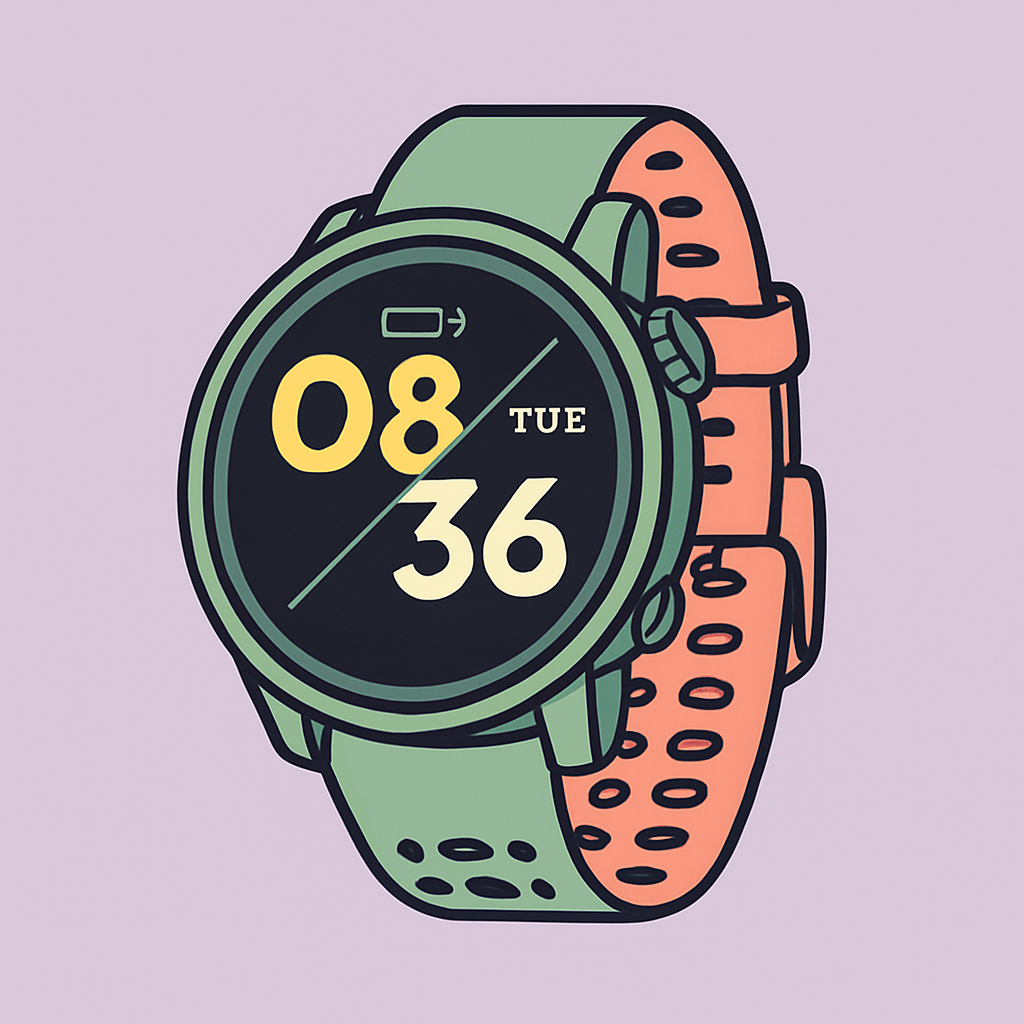
COROS PACE 3 Review
Single verdict sentence — the most important thing a buyer needs to know. Comes before everything else.
A featherweight, long‑running GPS watch that scores 8.2/10 — outstanding value at £199 if you want the lightest everyday running watch with dual‑frequency GNSS; skip it if you need big on‑watch maps or a deeper app ecosystem.
The quick answer
Who this is for: runners who train several times a week and hate a heavy wrist. Price and value: at £199 you get a 30 g case, dual‑frequency positioning and up to 38 hours of continuous GPS — features that usually cost much more. Yes, it’s worth the price for most everyday and multisport runners who prioritise weight, battery and accurate GPS over app variety or a large display.
What we tested
We evaluated the nylon‑band configuration (≈30 g) over six weeks of mixed road runs, trail sessions and daily wear, including city runs under tall buildings and a weekend 30 km long run with continuous GPS and music playback.
What it does well
Featherweight 30 g
You barely notice it: at ≈30 g (with the nylon band) the Pace 3 is among the lightest full‑feature GPS watches you can buy, which matters on long runs and all‑day wear.
Long GPS battery — 38 hours
COROS quotes up to 38 hours of full GPS runtime; that outlasts many mid‑range rivals and lets you tackle long training days or most ultras without a mid‑race charge.
Cleaner positioning in cities and woods
Dual‑frequency GNSS reduces multipath errors in dense urban or tree‑lined areas, so your route and split data are cleaner than single‑frequency watches in the same price bracket.
Training features plus onboard music
The app delivers structured training plans and metrics, and onboard music means you can leave your phone at home—useful for tempo runs and commutes where weight matters more than streaming depth.
Multi‑day smartwatch life
Expect up to 15 days in standard smartwatch mode per COROS specs, which cuts down charging for everyday tracking and sleep monitoring compared with many GPS watches that need nightly charging.
Where it falls short
Small 1.2" touchscreen limits maps and text
The 1.2‑inch display is responsive but cramped for breadcrumb maps and long notifications; if you want clear on‑watch routing or to read long messages while moving, you’ll be annoyed.
Less mature third‑party ecosystem
Third‑party apps and integrations aren’t as extensive as Garmin’s; runners who rely on niche apps, advanced bike power integrations or broad platform compatibility will miss those extras.
Optical heart‑rate caveats
The next‑gen multi‑LED optical HR and SpO2 sensors work well most of the time, but optical sensors can struggle with tattoos, loose fit or unusual skin tones—affecting anyone who needs perfectly consistent HR during threshold intervals.
How it compares
Closest competitor: Polar Pacer (similar price band). Choose the COROS PACE 3 if you prioritise lowest weight, longer GPS runtime and cleaner GNSS in tricky environments. Choose the Polar Pacer if you want a cheaper entry to Polar’s training ecosystem or prefer a slightly different UI — but for most runners who value weight and battery, the Pace 3 is the better buy.
Products in this article
