Audient iD14 MKII Review: Console Preamps and Dual Headphone Power in a Compact Box
A compact, bus-powered interface with real console-style pres, ADAT expandability and two headphone amps — great for home producers.
Shortlistd Editorial
Editor
By Editorial Team | April 2026
Intro: The Audient iD14 MKII is the pick here — because it gives you true console-style mic pres and reliable conversion in a compact, bus-powered desktop unit. If you record vocals, acoustic instruments or podcasts at home and want cleaner, more three-dimensional recordings without a rack of gear, this is the most useful upgrade over budget interfaces.
Our pick: Audient iD14 MKII
Audient iD14 MKII — £221.73
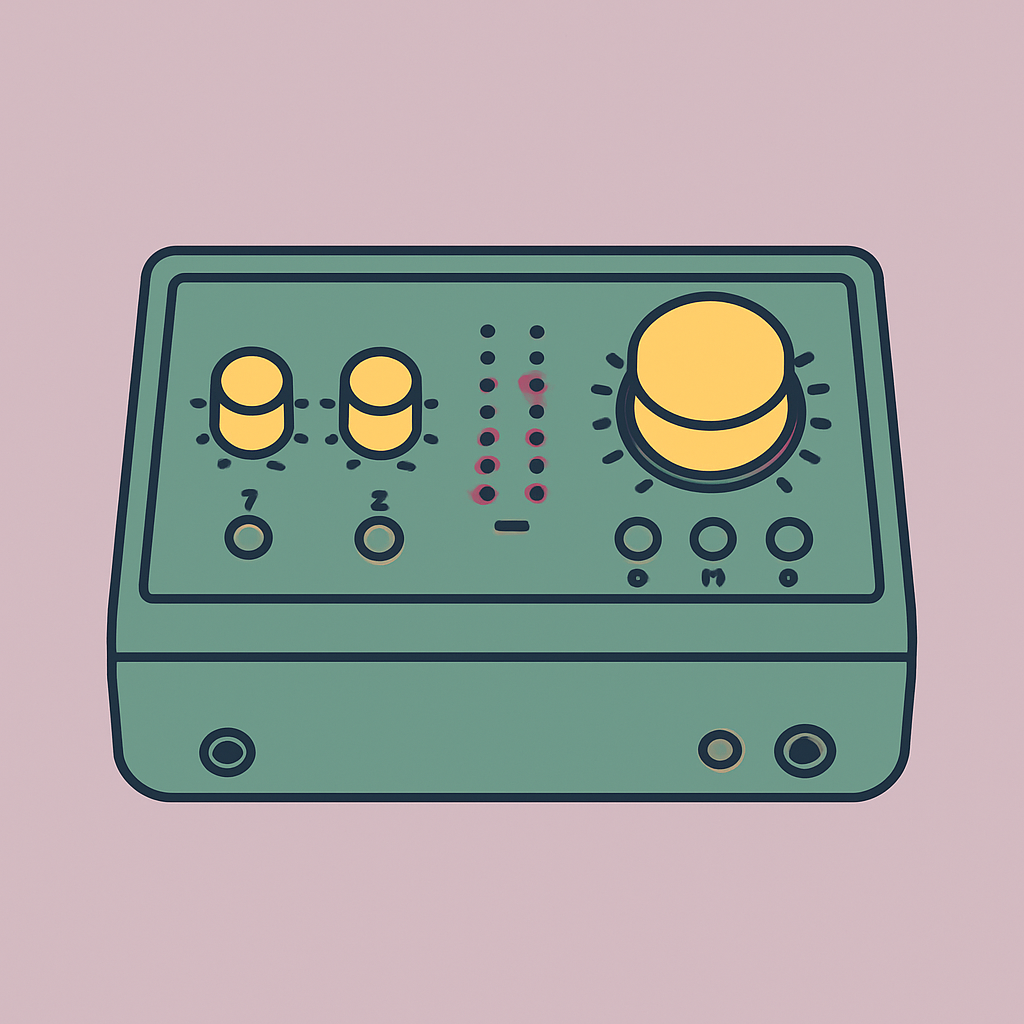
This interface makes your recordings sound closer to what you hear in a proper studio. It doesn’t advertise gimmicks: it delivers two Class‑A Audient console mic preamps, Burr‑Brown converters, ADAT expandability and two independent headphone outputs with enough current for high‑impedance cans. The site score: 8.2 — earned on the things that matter for solo producers and podcasters.
Why it works:
- Console-grade mic pres: the two Class‑A Audient preamps give vocals and acoustic instruments more space and lower noise than typical Scarlett‑class units.
- Accurate monitoring and conversion: Burr‑Brown ADC/DAC improves dynamic range and detail so edits and mixes translate outside your room.
- Practical expandability and routing: 10×6 I/O with an ADAT input means you can add more mic pres later; built-in monitor panning, speaker switching and talkback speed up tracking.
The honest trade-off: It’s bus‑powered, so you won’t get many more phantom‑fed channels at once — and it costs more than the basic entry-level interfaces.
Buy it here if it fits your setup: https://www.amazon.co.uk/Audient-Interface-MKII-Microphone-Performance/dp/B08SJD466P?tag=tomisindev-20
Best upgrade: RME Babyface Pro FS
RME Babyface Pro FS — ~£629
The upgrade buys rock‑solid drivers, lower latency and superior clocking (SteadyClock FS). RME’s converters and ultra‑stable performance are valuable if you track larger sessions, use complex setups, or need pristine AD/DA and ultra-low latency for pro monitoring.
Worth it if: you want desktop portability but need pro reliability, the lowest possible latency, and plan to run more demanding sessions.
Best budget pick: Focusrite Scarlett 2i2 (3rd Gen)
Focusrite Scarlett 2i2 (3rd Gen) — ~£105
At a lower price you get decent preamps, USB‑C connectivity and simple, reliable software integration. It’s not as quiet or as detailed as the iD14 MKII, and it has a single headphone amp design, but it’s a solid entry point for creators on a tight budget.
Worth it if: you need a straightforward, inexpensive interface for vocals, basic guitar DI or podcasting and don’t require ADAT expandability or high‑current headphone amps.
How we chose
We focused on the factors that change a home‑studio recording: preamp quality and noise, converter clarity, I/O and expandability (ADAT), monitoring tools (headphone power, talkback, monitor switching), and whether the unit is bus‑ or mains‑powered. Recommendations are based on manufacturer specs, retailer prices (Thomann/Scan/Andertons), and known user reports about driver reliability and real‑world headphone drive.
Frequently asked questions
Do I really need a better preamp than the one in a £100 interface? Yes. Better preamps lower noise, give more headroom and a more natural tonal balance — which saves time fixing tone in mixing. For vocals and acoustic instruments the difference is obvious when you compare the iD14 MKII to budget units.
Is £221.73 worth it for the iD14 MKII? If you care about mic tone, monitoring accuracy and the option to expand via ADAT, yes — it’s a sensible mid‑tier investment. If you only need one vocal take and simple podcasting, a cheaper Scarlett‑class interface will do the job.
Will the bus power limit me if I add ADAT gear? The iD14 MKII provides 48V phantom on its two mic channels via USB bus power. That works for most condenser mics, but if you plan to run multiple phantom‑powered pres simultaneously you’ll want a mains‑powered or rack unit with dedicated headroom.
Products in this article
