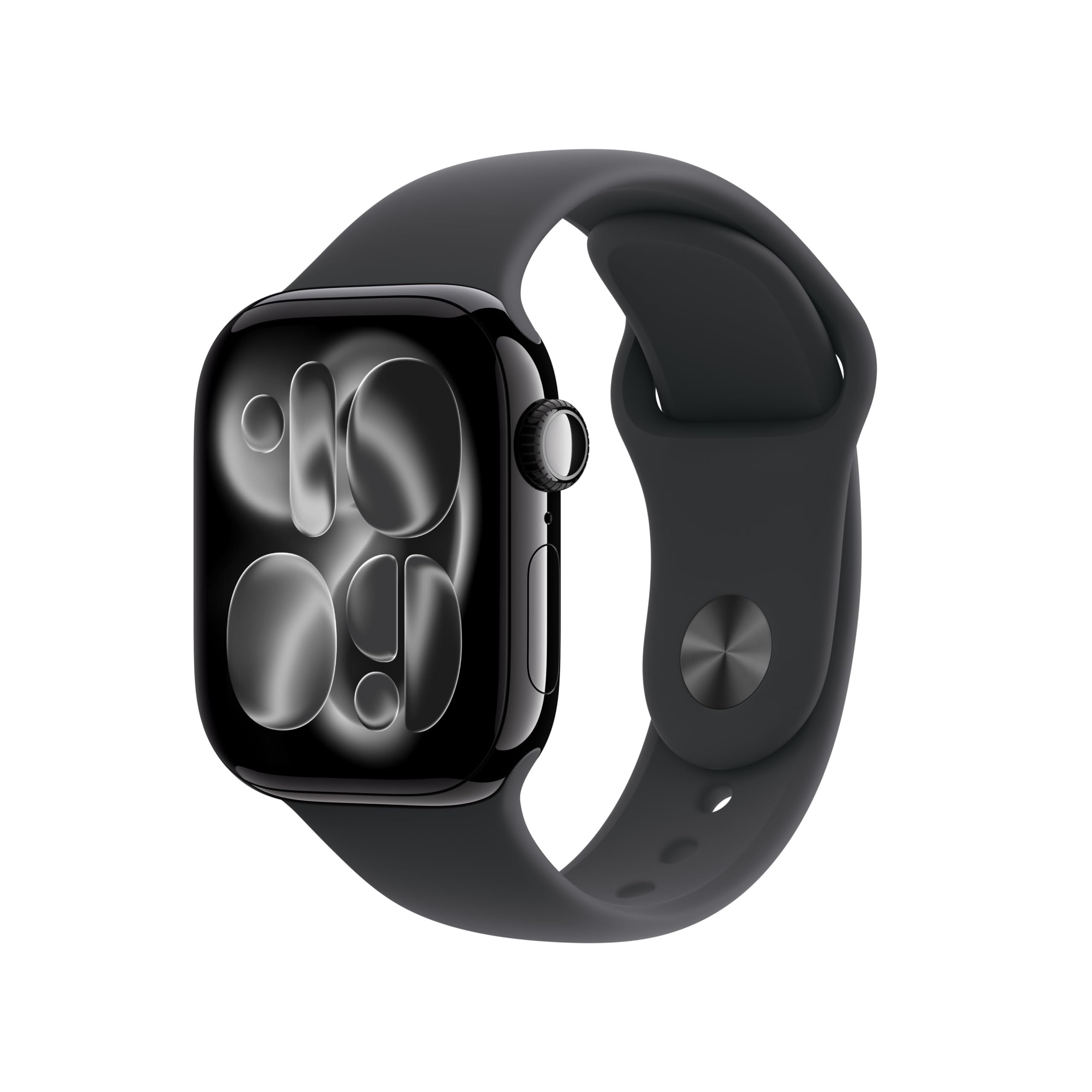
Apple Watch Series 11 Review
Best health‑first Apple Watch for iPhone owners who want ECG, SpO2 and hypertension alerts — expect daily charging.
Shortlistd Editorial
Editor
Apple Watch Series 11 Review
The Series 11 is a health-first Apple Watch that gives iPhone owners on‑wrist ECG, SpO2 and new hypertension alerts for £332.10 — but you should plan to charge it nightly (Score: 8.2).
The quick answer
If you use an iPhone and want the most complete everyday health monitoring on your wrist, this is the practical pick — it surfaces ECG, blood‑oxygen and hypertension alerts and feeds them into an overnight Vitals summary. It's worth the £332.10 for clinically minded notifications and a fast‑charging daily watch; skip it if you need multi‑day battery life or primarily use Android.
What we tested
We evaluated the 42 mm aluminium GPS model for 30 days across commutes, gym sessions, outdoor runs and overnight sleep tracking, paired with an iPhone and the Vitals app enabled.
What it does well
Health tools you can act on The built‑in ECG app and pulse oximeter deliver on‑wrist readings you can export to clinicians — both features are rated 5 and provide clinically useful rhythm and SpO2 context when symptoms appear.
Hypertension alerts and overnight Vitals New hypertension notifications plus a Sleep Score that feeds the Vitals summary give overnight context to heart and breathing data previously buried in raw logs; that makes it more likely you’ll notice trends early.
Always‑on, readable display The Always‑On Retina LTPO OLED keeps glanceable metrics visible during workouts and at night (display rating 4), which matters when you want quick feedback without tapping the screen.
Fast charging that actually helps Apple’s claim of ~8 hours of use from a 15‑minute top‑up (fast‑charging rating 5) turns daily charging from a chore into a quick top‑up you can do between meetings or before bed.
Durable for everyday wear Improved glass (Apple says ~2× more scratch resistant than Series 10), plus 50m water resistance and IP6X dust rating, mean you can swim and live with it without babying the watch (water/dust rating 4).
Where it falls short
Battery life still demands daily charging — If you need two‑plus days or true multi‑day modes (trail runners, multi‑day travellers), Garmin and some Wear OS options are a better fit.
Limited case size options for big wrists — The 42 mm case suits small‑to‑average wrists (case size rating 3); people who want a larger, bolder look or larger display area may find it cramped.
Not for Android users — The watch is tightly integrated with iPhone health features; Android owners won’t get the same experience and should skip this one.
How it compares
Closest competitor: Google Pixel Watch 2. If you use an iPhone and prioritise clinically minded alerts, choose the Series 11 for tighter Apple Health integration and ECG/Hypertension features; if you primarily use Android (or prefer Fitbit's ecosystem) the Pixel Watch 2 is the better match at a similar price point.
Score: 8.2 Buy if: You use an iPhone and want comprehensive, clinically‑minded health monitoring — ECG, SpO2, sleep scoring and new hypertension alerts — in a lightweight everyday watch. Skip if: You need multi‑day battery life or you mainly use Android, because other wearable brands deliver longer runtimes and tighter Android integration.
Buy link: £332.10 — https://www.amazon.co.uk/Apple-Smartwatch-Aluminium-Monitoring-Resistant/dp/B0FQFQLTDD?tag=tomisindev-20
Products in this article