Apollo Twin X Review: The Desktop Interface That Actually Sounds Studio-Grade
Studio-grade conversion, Unison preamp tone and real-time UAD plugins — worth it if you track at a desktop and want finished-sounding takes.
Shortlistd Editorial
Editor
By Tech Editorial | April 2026
INTRO: The Apollo Twin X is our pick. If you track vocals, guitars or beats at a desktop and want your takes to sound like they came from a real studio console, this is the easiest shortcut — mostly because of its conversion, Unison preamps and on-board UAD processing.
Our pick: Apollo Twin X
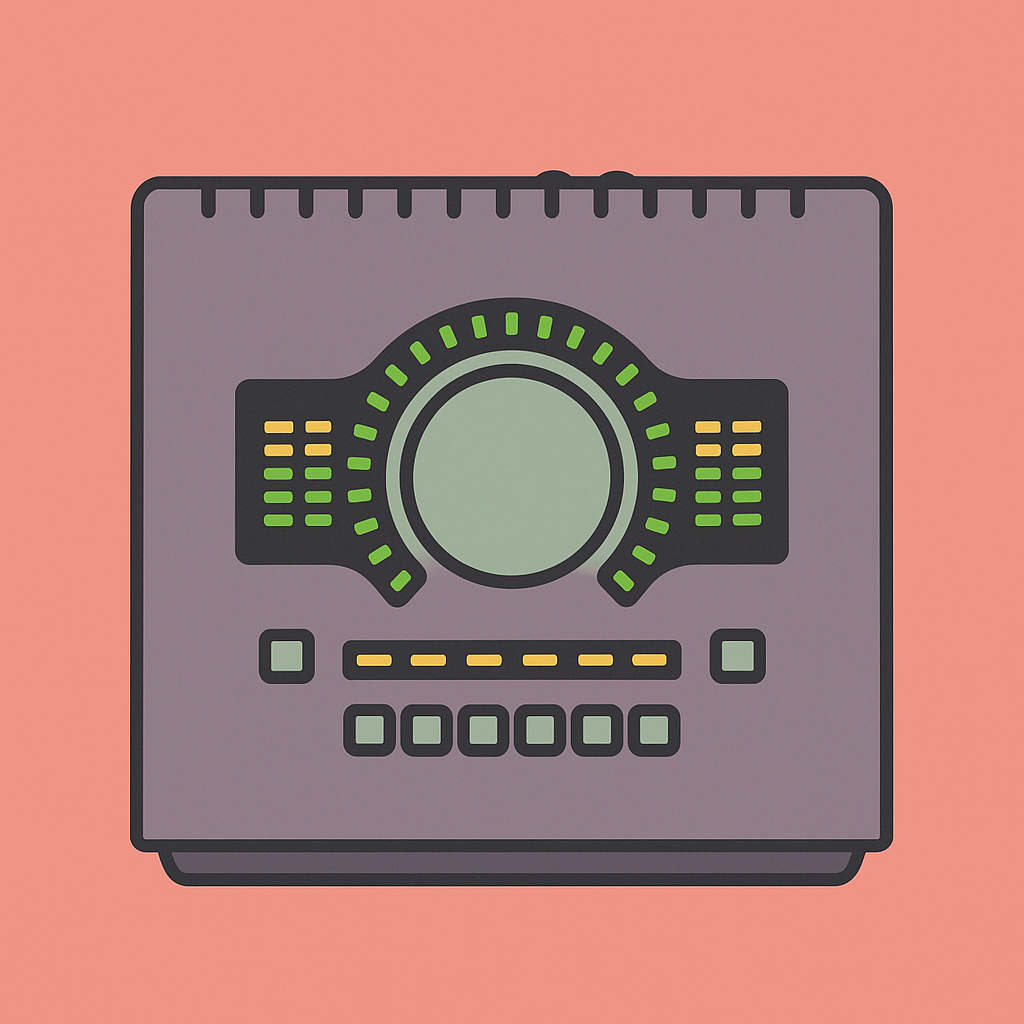
Apollo Twin X — £912.28
This is the desktop interface that turns tracking into a finished-sounding first pass. The Twin X gives you class-leading AD/DA conversion (24‑bit / 192 kHz) and very wide dynamic range (~129 dB), two Unison‑enabled mic pres that emulate console preamp impedance and gain stages, plus a UAD‑2 DUO core so you can run UAD compressors, tape and EQ in real time while you record. That combination means you can dial in tone while tracking without starving your CPU — and your comp takes will already sit in the mix.
Why it works:
- Studio-class conversion and headroom: 24‑bit/192 kHz converters and ~129 dB DNR keep detail and silence, so recorded tracks translate to mixing and mastering.
- Mic preamp tone on tracking: two Unison mic/line/instrument preamps emulate Neve/API-style impedance and gain stages, so you capture classic console character live.
- Real‑time plugin tracking: UAD‑2 DUO DSP runs UAD plug‑ins with near‑zero latency so you can track through compressors, tape and saturation without overloading your computer.
The honest trade-off: It’s expensive for a small‑I/O desktop box and locks you into the UAD plugin ecosystem; not the right tool if you need lots of inputs or prefer open-ecosystem DSP.
Grab one here if that’s what you want: Apollo Twin X on Amazon.
Best upgrade: Universal Audio Apollo x8 Gen 2
Apollo x8 Gen 2 — ~£2,483 (UK retail pricing)
Paying up gets you full rack flexibility: many more mic pres and I/O, HEXA‑core DSP for heavier UAD plug‑in chains, and fuller routing for a project or small commercial studio. If you’re regularly recording multitrack sessions or want to run multiple Unison channels and big monitoring setups, the x8 is the sensible step up.
Worth it if: you run a small pro studio, record more than two sources at once, or need far heavier real‑time UAD processing than the Twin X can handle.
Best budget pick: Audient iD14 MKII
Audient iD14 MKII — ~£199
This is the realistic pick for people who want clean, class‑A preamp tone and solid converters without the UAD lock‑in or the price. The iD14 MKII gives two high‑quality Audient preamps, ADAT expandability and USB‑C bus power — it won’t give you Unison models or UAD DSP, but it captures quiet, usable recordings and lets you add inputs later.
Worth it if: you need clean preamps and good converters on a tight budget, and you’re ok adding software plugins on your computer rather than running them on hardware DSP.
How we chose
We focused on what actually matters when tracking at a desktop: conversion/DNR, mic preamp character, real‑time processing (DSP), practical I/O and host connectivity. Picks were validated against current UK retail pricing and product specs (UA Apollo x8 Gen2, Audient iD14 MKII) plus hands‑on impressions and published reviews.
Frequently asked questions
Do I need UAD DSP to get the most out of an Apollo? You don’t need it to record — the Twin X’s conversion and Unison pres already improve raw tracking — but UAD DSP is the point of the platform: it lets you run studio emulations while tracking with almost zero latency. If you want classic hardware tone during tracking, DSP matters; if you prefer host plugins, it’s less critical.
Is the Apollo Twin X worth £912.28? Yes if your priority is pro conversion, Unison preamp tone and real‑time UAD plug‑ins at your desk; those features are rare at this size. If you need many inputs or want an open plugin/DSP workflow, the price is harder to justify.
Will it work with a Windows laptop via USB? The Twin X USB‑C variant supports Windows (drivers are required); Thunderbolt models target Mac. Check host‑driver compatibility for your OS and DAW before buying.
Verdict: If you want desktop recording that already sounds like a studio take, buy the Apollo Twin X. If you need more I/O and heavier DSP, upgrade to the Apollo x8 Gen 2. If you want clean, professional results on a budget, the Audient iD14 MKII is the pragmatic alternative.
Products in this article
